Let’s Start with a Simple Truth About Winter and Your Roof
Every winter in Atlanta, there’s a moment when something feels off. Maybe it’s the heating system running longer than usual. Maybe the upstairs rooms feel colder. Or maybe the energy bill shows up, and the number isn’t what you expected.
Most of us blame the weather or the HVAC unit. But in our experience at Rosie’s Roofing and Restoration, the real issue often sits right above your head. Your roof.
And once you see the connection between a roof and energy efficiency—especially in winter—you can’t unsee it.
That’s what this article is about: being honest about how your roof impacts your comfort, your energy usage, and your winter utility bills.
This guide covers:
- What energy efficiency in roofing actually means for Atlanta homes
- Why winter exposes problems most homeowners miss
- Practical steps to reduce heat loss
- How to prepare for a roofing upgrade
- Answers to the most common winter roofing questions
- And how we approach Atlanta energy efficient roofing as a certified local contractor
If you want to understand how your roof plays a bigger role in your home’s comfort than you ever expected, you’re in the right place. Or if you’d rather start with an inspection, you can reach us anytime through our site.
Why Energy Efficient Roofing Matters for Atlanta Homes in Winter
Before we talk shingles, insulation, or upgrades, we need to align on the basics. Energy efficient roofing isn’t a buzzword or an industry trend. It’s a straightforward idea:
An energy efficient roof keeps warm air inside during the winter and reduces the amount of heat your HVAC system needs to produce.
In Atlanta, this matters more than people think. Our winters don’t last long, but they are inconsistent—cold snaps followed by warm days, then sudden drops at night. That constant expansion and contraction stresses older roofing systems, exposes ventilation issues, and reveals insulation limitations.
Older homes, especially intown properties, are notorious for:
- Poor attic insulation
- Improper ventilation
- Aging asphalt shingles
- Previous repairs done without long-term efficiency in mind
So when people look for Atlanta winter roofing tips, they’re usually already dealing with cold rooms, warm rooms, uneven temperatures, or a heating bill that’s slowly rising.
Energy efficiency solves all of that—not by accident, but by design.
What to Know Before Starting a Winter Roofing Improvement Project
If you’re considering improving your roof’s winter performance, here’s what will help you make smart decisions instead of rushed ones.
Know Your Roof’s Background
The more you know about past repairs, replacements, or storm issues, the easier it is to diagnose current energy problems.
Be Clear on Budget and Priorities
Roofing isn’t cheap. But many projects that improve energy efficiency don’t require a full roof replacement. Sometimes it’s insulation. Sometimes ventilation. Sometimes targeted repairs.
Understand Permits When They Apply
Most Atlanta roofing work doesn’t require extensive permitting unless you’re in a historic district. We handle this whenever it applies.
Choose Materials With Purpose
Architectural and premium shingles provide better insulation than standard three-tab shingles. They also hold up better to temperature fluctuations inside the attic.
Get a Professional Inspection Early
A roofing inspection catches problems before winter amplifies them. Small gaps or moisture issues can have outsized effects once temperatures drop.
This foundation sets the stage for practical, effective winter improvements.
Five Practical Roofing Tips for a More Energy Efficient Atlanta Home
These tips aren’t theoretical. They’re the things we see working, over and over again, in the real homes we service around Atlanta every week.
Upgrade to Higher-Performing Shingles
Curled, brittle, or aging shingles won’t protect against energy loss. Modern shingles from GAF, Owens Corning, and CertainTeed offer better coverage and material density.
Improve Attic Insulation
Insulation is your roof’s thermal layer. Without it, heat escapes quickly. Many older Atlanta homes are significantly under-insulated.
Balance the Ventilation System
Ventilation prevents heat and moisture from collecting in your attic. A balanced system—intake and exhaust—maintains more stable temperatures and helps insulation perform correctly.
Fix Small Issues Before They Grow
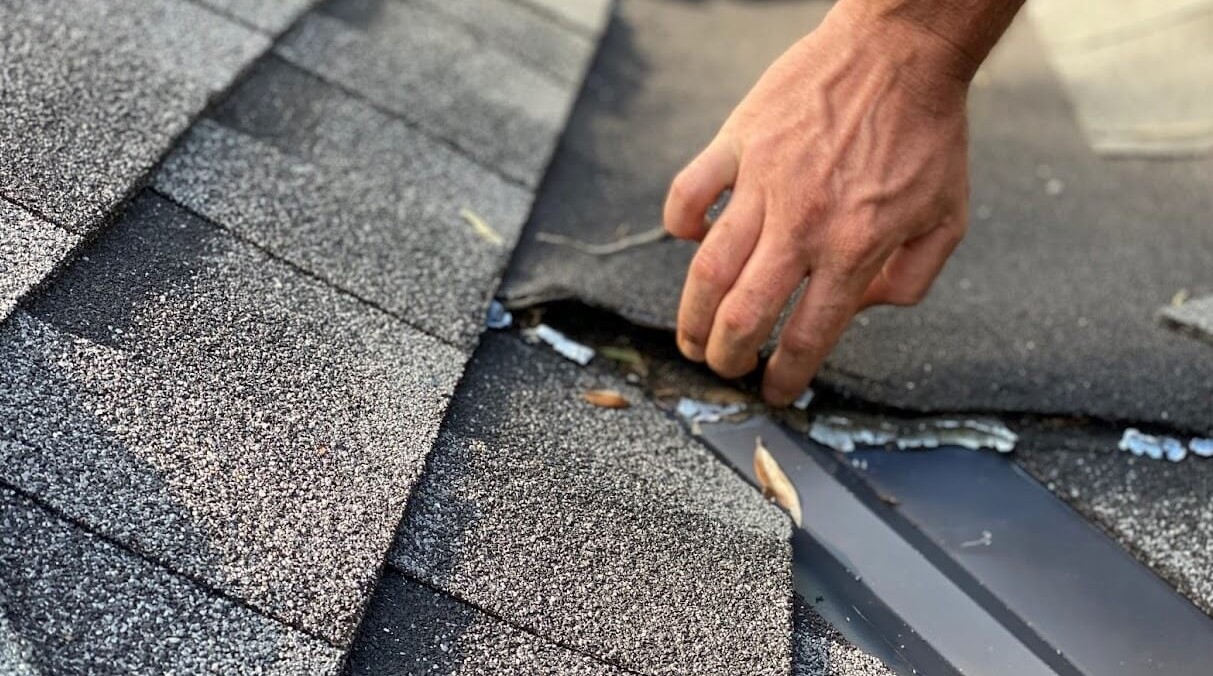
Loose shingles, minor flashing cracks, or degraded sealant can cause heat loss and moisture intrusion. Winter makes both worse.
Commit to Seasonal Maintenance
An annual roof inspection is the simplest way to preserve energy efficiency and prevent bigger issues.
Every tip supports one simple idea: winter comfort depends on whether your roof is helping or hurting your home’s ability to maintain heat.
Choosing the Right Materials, Warranties, and Partners for Winter Efficiency
A truly energy efficient roof isn’t built with one decision. It’s built through the combination of materials, installation, and long-term coverage.
Materials That Support Energy Efficiency
Here’s how common shingles compare:
|
Shingle Type |
Efficiency Level |
Durability |
Best For |
|
GAF Three-Tab |
Basic |
15–20 years |
Short-term or budget projects |
|
Owens Corning Architectural |
Strong |
25–30 years |
Improved insulation and better weather performance |
|
CertainTeed Premium |
Excellent |
30–40 years |
Long-term efficiency and durability |
Warranties That Protect Your Investment
With certifications from GAF, Owens Corning, and CertainTeed, we can offer:
- 25-year workmanship warranties
- Lifetime limited shingle warranties
Efficiency isn’t just about saving money on energy. It’s about reducing risk and maintaining comfort for decades.
Why We Approach This Differently
We started as a small roofing company with a simple goal: do the work right. Over the years, we’ve worked on thousands of Atlanta homes, many of them suffering from poor workmanship or shortcuts that caused long-term problems.
Attention to detail—on ventilation, insulation, shingle layout, and flashing—makes a measurable difference in winter efficiency. We take pride in getting those details right.
Common Roofing Questions Atlanta Homeowners Ask in Winter
When winter hits and energy bills climb, many Atlanta homeowners begin asking the same questions about their roof’s role in heat loss and comfort. Below are the most common concerns we hear this time of year, answered clearly and directly.