
Let’s talk about roof ventilation. (We promise it’s more interesting than it sounds.)
If you live in Alpharetta, you already know summer can feel like you are walking around inside someone else’s breath. Winter is not brutal, but it is humid enough to cause problems if your attic cannot breathe.
Here is where things get expensive. Your roof, and more specifically your attic, can quietly work against your home’s energy efficiency. Most homeowners never notice it happening. This is where roof ventilation and energy costs stop sounding theoretical and start affecting your monthly bills.
So how does it all connect? And is this one of those things contractors mention just to inflate an estimate?
Let’s slow it down and make it clear.
Here’s what we’re covering:
- What roof ventilation actually does and what it does not
- How it connects to energy bills in Alpharetta
- Signs your ventilation is not doing its job
- What typically needs to be fixed and what it costs
- How we handle this work at Rosie’s Roofing and Restoration
If your attic already feels like a sauna or your upstairs never cools down, you may not need to read much further. You can schedule a roof inspection, and we will take a look and explain what is happening.
First, what exactly is roof ventilation?
Roof ventilation is simply controlled airflow. Hot air rises into the attic. If there is no reliable way for that air to escape, it stays there.
When that happens, a few predictable things follow:
- Attic temperatures climb well past outdoor temperatures
- Your HVAC system works longer and harder
- Shingles age faster from heat trapped underneath
- Moisture builds up and insulation stops working the way it should
None of this is dramatic. That is the problem. It is slow, quiet, and expensive over time.
So how do roof ventilation and energy costs tie together?
Picture your attic like a heat sponge.
All day long, it absorbs heat from the sun. That heat does not stay politely above the ceiling. It radiates downward into the living space. Your air conditioner keeps running, but it is fighting a losing battle.
In winter, the problem flips. Warm air from inside the house rises into the attic. Without proper ventilation, that warm air condenses when it hits cold surfaces. Now you have moisture where you do not want it.
The result is simple. Your HVAC system works harder. Your roof materials wear out sooner. Your energy bills creep up without a clear explanation.
We regularly see Alpharetta homes where correcting ventilation reduces summer cooling costs by 10 to 20 percent. No tricks. Just airflow doing what it is supposed to do.
What you need to know before fixing your ventilation
1. Set expectations on cost
If ventilation upgrades are done on their own, not as part of a roof replacement, typical ranges look like this:
- Ridge vent with proper intake: $500 to $1,200
- Powered attic fan, solar or electric: $300 to $700
- Gable vents: $200 to $400
If ventilation is part of a full replacement, it is usually addressed within the overall estimate.
2. Not every roof needs the same solution
Roof pitch, attic size, framing style, and shingle type all matter. A basic ranch home does not behave the same way as an older intown Craftsman with complex rooflines.
3. Permits sometimes apply
Most ventilation improvements do not require permits. If the roof deck is being modified, we handle permitting and inspections as part of the job.
4. Existing problems matter
Ventilation does not exist in isolation. Curling shingles, flashing leaks, pipe boot failures, or old patch jobs often show up together. A proper inspection connects those dots.
Types of roof ventilation: Which one makes sense?
Let’s keep this practical.
Passive ventilation
These systems rely on natural airflow and do not use power.
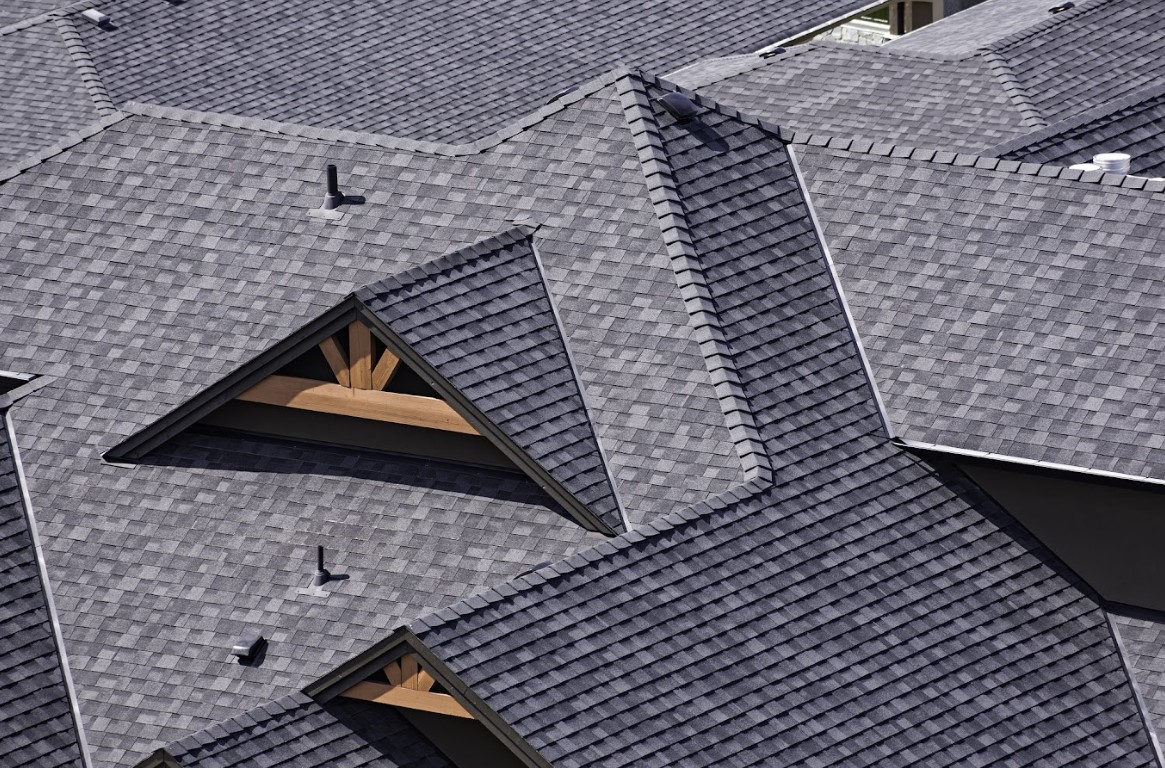
- Ridge vents run along the peak of the roof and are nearly invisible.
- Soffit vents allow cooler air to enter at the eaves.
- Gable vents sit on the ends of the attic and help in certain layouts.
When ridge and soffit vents are properly balanced, they work extremely well in Alpharetta homes.
Powered ventilation
These actively remove hot air.
- Attic fans can be electric or solar powered.
- Turbine vents use wind to pull air out.
Powered options can help in specific situations, but they must be sized and placed carefully.
We always check intake and exhaust balance. Too much exhaust without intake wastes money and can pull conditioned air out of the house.
Why ventilation affects warranties and roof lifespan
This is where details matter.
Homeowners invest in a new roof, only to have problems a few years later. Shingles curl. Granules shed early. A warranty claim gets denied.
Often, the reason is insufficient ventilation.
As a GAF Master Elite, Owens Corning Preferred, and CertainTeed Preferred contractor, we install roofing systems exactly as manufacturers require. That includes ventilation. It protects the roof and protects the warranty.
We are not the cheapest option in Atlanta. That is intentional. We would rather do it correctly than explain later why something failed.
Common Roof Ventilation Questions from Alpharetta Homeowners
We’ve worked with hundreds of homeowners across Alpharetta and the surrounding area, and a few roof ventilation questions come up again and again. If you’re wondering how this all applies to your home, you’re not alone. Here are the answers we give most often.