Atlanta storms don’t ease in. They show up loud, fast, and usually at the worst time. One minute everything looks fine. The next, wind is pushing against the house and you’re wondering if that sound was just rain or something coming loose.
When people think about storm roof damage in Atlanta, they usually think about repairs. That makes sense. But the smarter place to start is safety. Because most of the real risk isn’t the roof failing. It’s what happens when someone tries to deal with it the wrong way.
Storm roof damage in Atlanta usually starts at small failure points like flashing or pipe boots, not the shingles themselves. In Inman Park, older homes and heavy tree coverage increase that risk. The safest approach is simple. Stay off the roof, control any interior damage, and schedule a professional inspection before trying to fix anything yourself.
Here’s what actually matters:
- Most storm damage isn’t obvious at first
- The biggest safety risks happen after the storm
- Quick decisions can create bigger problems
- A proper inspection determines everything that comes next
If you’re not sure what you’re looking at, Rosie’s Roofing and Restoration can help.
Why Storm Roofing Safety Matters More in Inman Park
Safety advice only works if it reflects reality. And Inman Park has its own version of reality.
These homes often have:
- Complex rooflines with multiple valleys and transitions
- Older flashing systems that weren’t installed to current standards
- Dense tree coverage that increases debris impact
- Tight property layouts that make roof access harder than it looks
We’ve been on a lot of roofs in neighborhoods like this, and the pattern is usually the same. It’s rarely one big failure. It’s a handful of small details that were never handled quite right.
That matters because storms don’t create most roofing problems. They expose them.
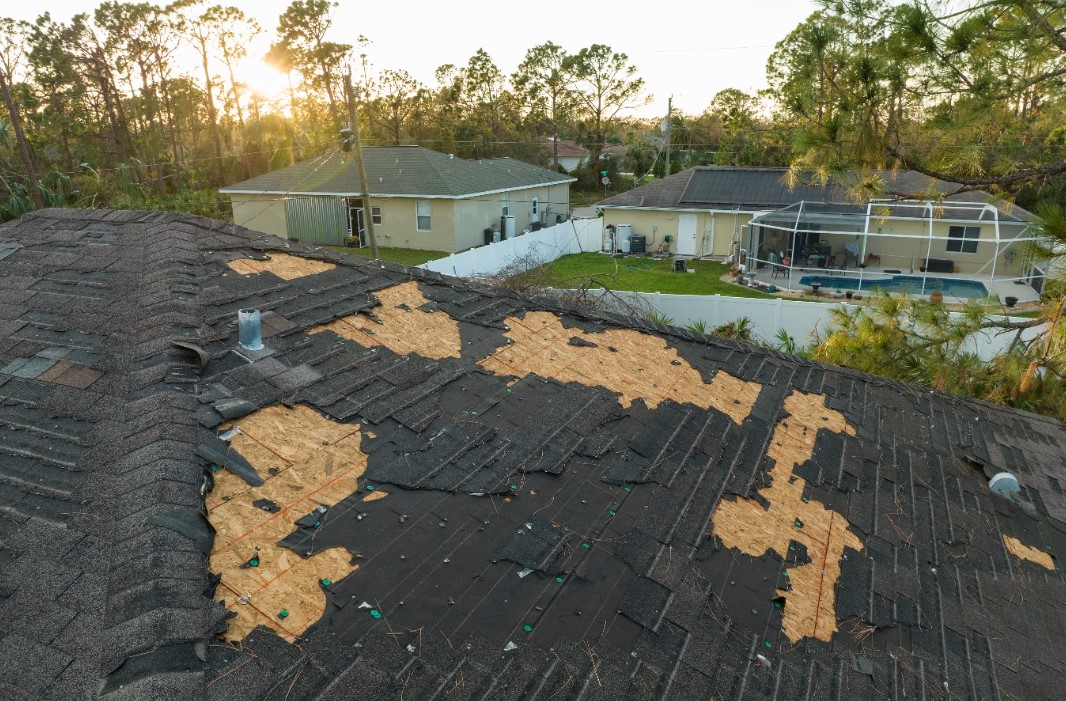
And from a safety standpoint, that means what looks like a small issue can involve hidden damage underneath. Soft decking. Loose areas. Unstable footing. The kind of things you don’t notice until you’re already standing on them.
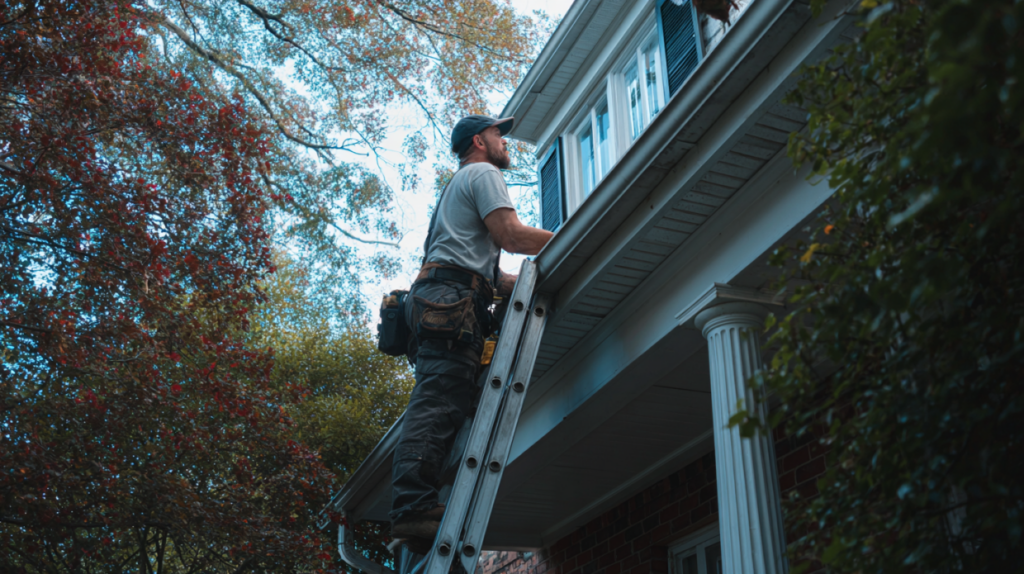
Storm Roofing Safety Tips for Inman Park Homeowners
If you strip everything down, storm roofing safety comes down to timing. What you do before, during, and after the storm changes the outcome.
Before the Storm: Reduce Your Risk Window
Most people wait until there’s a problem. That’s understandable. But the safest roofs we see are the ones that were checked before storm season.
Look for:
- Branches hanging over the roof
- Shingles that are loose, curling, or aging
- Flashing that looks lifted or uneven
- Gutters that aren’t draining properly
If your roof has had repairs before, that’s usually where we look first. Not because repairs are bad, but because that’s where shortcuts tend to show up later.
A simple inspection before storm season can catch those issues early. It’s not exciting, but it works.
During the Storm: Stay Inside and Pay Attention
This part is straightforward. Stay off the roof. Always.
But there are still things worth watching:
- New ceiling stains forming quickly
- Active dripping or running water
- Bulging drywall
- Water getting close to electrical fixtures
If water starts coming in, your job is not to fix the roof. It’s to limit the damage inside. Move what you can. Contain the water. Keep things as stable as possible.
After the Storm: This Is Where Most Mistakes Happen
The storm passes. Everything feels calm again. And this is usually where someone decides to grab a ladder.
This is also where most injuries happen.
After a storm, your roof is at its least predictable:
- Shingles are wet and slippery
- Decking can be soft without looking damaged
- Debris shifts underfoot
- Problem areas aren’t always visible
If roofing were simple, you wouldn’t be reading this. Most of the time, the problem isn’t what you think it is.
Start from the ground. Look for:
- Shingles or granules in the yard
- Debris sitting on the roof
- Visible uneven or sagging areas
Then schedule a professional inspection. Not because you can’t look. Because what you can’t see is what usually causes the issue.
Before You Fix Anything: Safety Comes Before Cost
It’s natural to think about cost right away. But in storm situations, the order matters.
Safety first. Then assessment. Then cost.
Right after a storm:
- Contain interior leaks with buckets or towels
- Take clear photos of what you can see
- Avoid climbing on the roof, even if it looks manageable
Next comes the structured part:
- A professional inspection, not a quick glance
- A clear estimate that separates temporary fixes from permanent work
- Documentation you can use if insurance is involved
A small repair caught early might stay small. The same issue left alone has a way of spreading into insulation, framing, and ceilings. We’ve seen that progression more times than we can count.
Do You Actually Need Emergency Roof Repair Right Now?
Not every situation is urgent. But some are.
Here’s a practical way to think about it:
- Water actively dripping inside → This is an emergency
- Ceiling sagging or bulging → This is urgent and potentially unsafe
- Missing shingles but no leak → Needs attention, not immediate panic
- Debris on the roof → Needs inspection
The goal isn’t to react fast. It’s to react correctly.
A Safe Approach to Handling Emergency Roof Repairs in Inman Park
When emergency roof repair in Inman Park is necessary, the safest approach is also the most methodical one. The goal isn’t just to fix the issue. It’s to reduce risk while the problem is being addressed.
Step 1: Understand Where Problems Start Without Putting Yourself at Risk
A lot of people assume leaks come from shingles blowing off.
Sometimes they do. But more often, they come from details:
- Flashing around chimneys or walls
- Pipe boots around vents
- Valleys where water concentrates
A lot of the emergency leaks we see aren’t dramatic. They’re small failures in the wrong place. Trying to locate them up close without proper footing or visibility creates unnecessary risk. Understanding where problems typically start helps you avoid climbing up to confirm what’s already likely.
Step 2: Stabilize the Situation Safely, Not Perfectly
Your goal here is control, not perfection.
- Manage water inside the home
- Use tarping only if it can be done safely
- Avoid sealants or quick patches that interfere with proper repairs
This step matters for safety because rushed fixes often lead to unstable surfaces or hidden issues later. We’ve walked into plenty of situations where the “quick fix” created more risk than the original problem.
Step 3: Let the Inspection Guide Safe Decision-Making
A real inspection looks at:
- Shingle condition
- Flashing integrity
- Penetrations like vents and pipes
- The decking underneath
This step matters for safety because misdiagnosing the issue can lead to repeat leaks or weakened areas that aren’t obvious right away. Knowing exactly what failed prevents you from relying on assumptions.
Step 4: Choose the Fix That Reduces Future Risk
Sometimes it’s a targeted repair. Sometimes it’s more involved.
A good recommendation explains:
- What failed
- Why it failed
- What happens if it’s left alone
- What the safest long-term fix looks like
Atlanta is a competitive roofing market. There’s no shortage of options. The difference shows up later, when one repair holds and another creates the same unsafe condition again.
Deep Dive: Why Safety and Workmanship Are Directly Connected
Here’s the part most people don’t hear.
Storms expose problems. They don’t usually create them from scratch.
And when workmanship is off, it’s not just a durability issue. It becomes a safety issue, especially after storms when weak areas are more likely to fail.
Roofs that weren’t installed correctly are more likely to:
- Lose shingles in moderate wind
- Leak at predictable weak points
- Develop hidden structural issues over time
That last one is where safety comes in. Hidden damage means unstable areas, soft decking, and surfaces that don’t behave the way you expect them to.
As a GAF Master Elite contractor, we’re required to install roofing systems to a higher standard. That matters most during storms, when shortcuts fail first.
We also work with systems from Owens Corning and CertainTeed. They offer strong warranties, but only when the installation is done correctly.
The tradeoff is simple
Well-installed roofing systems:
- Better wind resistance
- Longer lifespan
- Reduced likelihood of unsafe conditions after storms
Poorly installed systems:
- Early failure
- Repeat leaks
- Increased risk of hidden structural problems
We’re a little obsessive about details. Not because it sounds good, but because those are the parts that fail first in a storm, and the parts that create safety risks when they do.
Why Homeowners Call Rosie’s Roofing and Restoration for Safer Storm Repairs
When it comes to storm roofing safety, most homeowners aren’t just looking for a fix. They’re looking for clarity and a way to avoid making the situation worse.
Atlanta has a lot of roofing companies. Some are good. Some are fast. Some are just cheap.
Where we focus is simple:
- Diagnose the real problem so nothing gets missed
- Explain it clearly so you’re not guessing
- Fix it in a way that prevents the same issue from coming back
We’ve worked on enough intown homes to know that details matter more than speed. Flashing, transitions, ventilation. Those are the areas that fail first, and the areas that can create unsafe conditions if they’re not handled correctly.
We’re not trying to be the cheapest option. We’re trying to be the last call you have to make for the same issue.
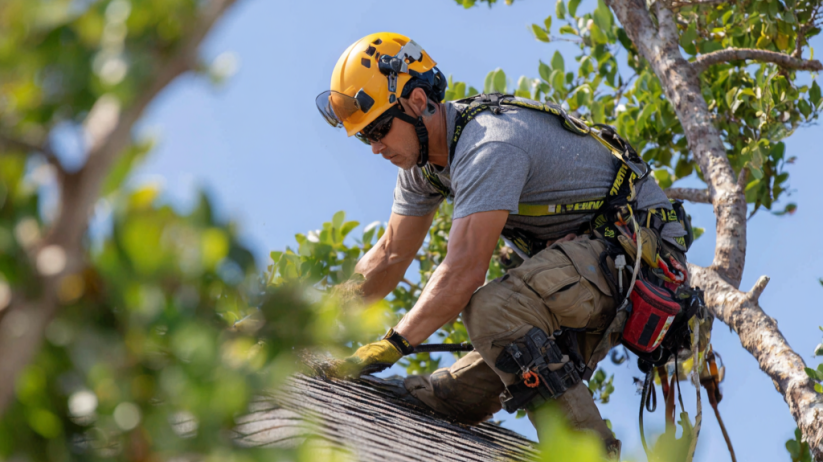
Storm Roof Safety Questions Inman Park Homeowners Ask After Severe Weather
When a storm passes, most homeowners aren’t just dealing with damage. They’re trying to figure out what’s safe, what’s urgent, and what can wait. These are the questions we hear most often after storms in neighborhoods like Inman Park.