Atlanta winters have a way of exposing roofing problems that stayed quiet all year.
A roof can make it through summer heat looking completely fine, then suddenly show signs of leaking once colder temperatures, wind-driven rain, and moisture settle in for a few weeks. Around Morningside, that usually happens because the roof already had a weak point heading into winter. The season simply exposed it.
That is why winter roof maintenance matters more than many homeowners expect. Winter here is less about snow accumulation and more about repeated rainstorms, moisture buildup, temperature swings, and small roofing issues gradually getting worse.
Most winter roofing problems are not catastrophic failures. They are maintenance issues that were easy to overlook during warmer weather.
Here are the winter roof prep tips that matter most for Morningside homes:
- Schedule a roof inspection before winter weather arrives
- Check flashing and roof penetrations carefully
- Clean gutters and roof valleys before heavy rain cycles
- Trim overhanging tree limbs
- Improve attic ventilation and moisture control
- Address small repairs before winter storms expose them
If you want help preparing your roof before colder weather settles in, Rosie’s Roofing and Restoration can help.
Why Winter Roof Prep Matters More for Morningside Homes
Winter roof prep matters differently in Morningside than it does in newer suburban neighborhoods because many homes here have older roofing systems, more architectural complexity, and heavier tree coverage.
A lot of roofs in the area include:
- Multiple roof transitions
- Dormers and additions
- Aging flashing systems
- Older attic ventilation layouts
- Valleys that collect debris easily
Those details create more opportunities for moisture intrusion once winter weather arrives.
And in Atlanta, winter roofing problems are usually moisture-related before they become temperature-related. Repeated rainstorms, overnight temperature drops, and wind exposure slowly stress vulnerable areas of the roof over time.
Tree coverage adds another layer to the issue. Mature trees are part of what makes Morningside attractive, but wet leaves and debris trapped in valleys and gutters create ideal conditions for moisture buildup during winter months.
Preparing roofs for winter weather is really about controlling water before it finds a way into the system.
Why Roof Inspections Before Winter Help Prevent Bigger Problems
One of the most useful winter roof prep tips for Morningside homes is scheduling an inspection before winter weather arrives instead of after a leak appears.
Most winter leaks begin in areas homeowners cannot easily see from the ground.
Roof inspections help identify vulnerable roofing details early
A roof inspection before winter focuses on the areas most likely to fail during colder months, including:
- Flashing around chimneys and walls
- Pipe boots and roof penetrations
- Aging shingles
- Roof valleys and drainage areas
- Previous repair locations
These weak points often stay hidden during dry weather and only become obvious once repeated winter rain starts moving through the system.
Small roofing repairs are easier before winter storms arrive
Minor roofing issues tend to spread faster once moisture becomes involved.
Loose shingles, lifted flashing, and exposed nail heads may not seem urgent during fall, but winter rain and temperature swings usually accelerate those problems quickly.
This is why preventative roof prep matters. Small repairs before winter are usually much simpler than interior repairs after water reaches insulation, drywall, or framing.
Preventative maintenance reduces emergency winter roofing calls
Most emergency winter roof repairs are tied to problems that already existed beforehand.
We regularly see:
- Flashing failures around chimneys
- Pipe boot leaks
- Drainage issues caused by clogged gutters
- Small workmanship shortcuts exposed by moisture
Winter weather tends to reveal roofing weaknesses that were already there.
Winter Roof Maintenance Starts With Water Management
A surprising amount of winter roof prep comes down to controlling where water goes.
In Atlanta, winter storms often bring repeated rain cycles rather than snow accumulation. That makes drainage one of the most important parts of seasonal roof maintenance.
Gutters and roof valleys need to stay clear through winter
Clogged gutters and blocked valleys trap moisture against roofing materials and force water back underneath shingles and flashing.
This becomes especially important in Morningside because mature trees create:
- Leaf buildup
- Pine straw accumulation
- Branch debris
- Slower drainage during storms
Keeping water moving properly is one of the simplest and most effective ways to reduce winter roofing problems.
Wind-driven rain exposes weak roofing areas quickly
Atlanta winters are not especially harsh compared to northern climates, but wind-driven rain creates its own roofing problems.
Shingles that lost adhesion during summer heat cycles become more vulnerable once colder weather and winter winds arrive. What looked like a harmless aging area in fall can become active moisture intrusion by January.
This is one reason winter roof maintenance works best before severe weather arrives, not during it.
Pipe Boots and Flashing Failures Cause Many Winter Roof Leaks
Most winter leaks do not start in the middle of the roof. They usually begin around roofing details and penetrations where water naturally concentrates.
Pipe boot failures often appear during colder weather
Pipe boots are one of the most common roofing repair issues we see around Atlanta.
The rubber collars surrounding plumbing vents wear down over time from UV exposure and weather cycles. During winter, those weakened areas often begin allowing moisture intrusion around penetrations.
The leak itself may appear small inside the home, but moisture underneath the roofing system can spread farther than homeowners realize.
Flashing failures become more obvious during winter rainstorms
Improperly installed or aging flashing around:
- Chimneys
- Skylights
- Roof-to-wall transitions
- Dormers
Often stays unnoticed until repeated winter rain exposes the weakness.
Many of these problems come back to workmanship more than roofing materials themselves. We regularly see shortcuts that held temporarily during warmer seasons but fail once winter moisture levels increase.
Attic Ventilation Plays a Bigger Role in Winter Roof Prep Than Most Homeowners Realize
Ventilation problems become much easier to notice during colder weather.
Warm, moist attic air that cannot escape properly often creates:
- Condensation on roof decking
- Damp insulation
- Musty attic smells
- Uneven indoor temperatures
- Premature shingle aging
This matters because winter roof prep is not just about the exterior roofing materials. The attic environment affects how the entire system performs.
A well-ventilated roof handles Atlanta’s temperature swings much more consistently over time.
A Practical Winter Roofing Checklist for Morningside Homes
The best winter roof prep tips are usually the simplest ones done consistently before problems begin.
A practical winter roofing checklist should include:
- Schedule a roof inspection before winter weather arrives
- Inspect flashing around chimneys and walls
- Check pipe boots for cracking or separation
- Remove leaves and debris from gutters and valleys
- Trim branches hanging near the roofline
- Look for lifted or aging shingles
- Check attic spaces for moisture or condensation
- Address small repairs before heavy winter rain begins
The goal is not perfection. The goal is reducing the chance that small roofing issues become expensive winter leaks later.
Interior Warning Signs Your Roof May Not Be Ready for Winter
Roofing problems do not always show themselves outside first.
Many homeowners first notice:
- Ceiling discoloration
- Damp attic insulation
- Musty smells near upper floors
- Condensation around vents
- Indoor humidity changes
These warning signs often point to slow moisture intrusion, ventilation issues, or flashing failures that winter weather is beginning to expose.
Because many Morningside homes are older, those problems can sometimes travel farther through the structure before becoming obvious.
Why Cheap Roofing Repairs Tend to Fail During Winter
Winter weather exposes rushed roofing work quickly.
Temporary patch jobs and excessive sealant repairs may appear fine initially, but repeated moisture exposure usually finds the weak points once winter rainstorms settle in.
We often see:
- Caulking used instead of replacing flashing
- Poorly secured shingles lifting in wind
- Quick repairs around pipe penetrations
- Drainage shortcuts causing moisture buildup
Most of these failures are not material failures. They are workmanship issues.
That is one reason winter roof prep matters. Proper repairs made before winter tend to hold up much better than temporary fixes made during the season itself.
How Winter Roof Prep Helps Protect Long-Term Home Value
Winter roof prep is not only about avoiding leaks. It also helps protect the long-term condition and value of the home.
A roof with recurring moisture problems, visible staining, or sagging drainage systems changes how buyers view the property. Even relatively small winter leaks can create concerns about deferred maintenance and hidden structural damage.
Meanwhile, a roof that has been maintained properly tends to communicate:
- Better overall upkeep
- More reliable performance
- Lower future repair concerns
- Greater confidence in the condition of the home
That perception matters in neighborhoods where buyers pay attention to details.
Why Better Roofing Systems Handle Atlanta Winters More Reliably
At Rosie’s Roofing and Restoration, we install roofing systems according to manufacturer standards from GAF, Owens Corning, and CertainTeed.
That matters because roofing systems are designed to function together:
- Ventilation
- Underlayment
- Flashing
- Shingles
- Drainage
When one part is skipped or installed poorly, winter moisture tends to expose it eventually.
A lot of Atlanta roofing problems begin not with major storm damage, but with small installation shortcuts that slowly fail once seasonal weather changes stress the system.
Proactive winter roof maintenance helps reduce larger repair risks
Pros
- Helps prevent winter leaks
- Extends roof lifespan
- Improves energy efficiency
- Reduces risk of emergency repairs
Cons
- Requires seasonal planning
- Older roofs may reveal larger underlying issues
- Some repairs may still be necessary before winter
Most winter roofing issues are much easier to manage early.
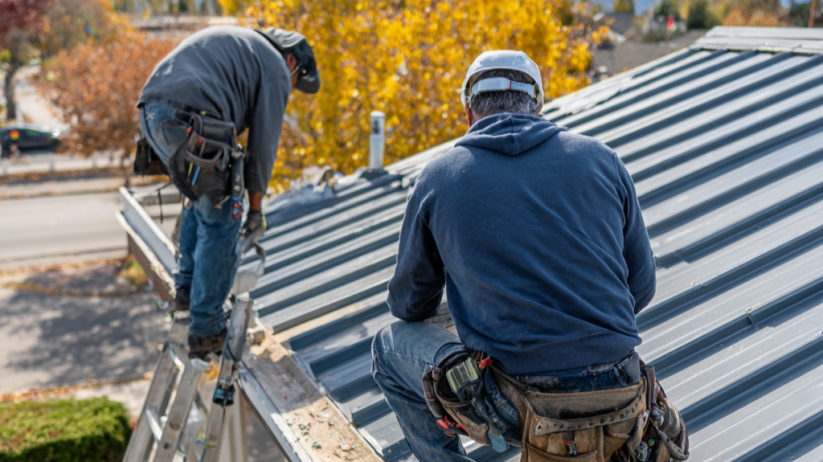
Winter Roofing Questions Morningside Homeowners Ask Before Cold Weather Arrives
Preparing a roof for winter usually raises practical questions about inspections, maintenance, and what actually matters before colder weather sets in. These are some of the most common questions homeowners ask when trying to avoid winter leaks and prevent seasonal roofing problems.