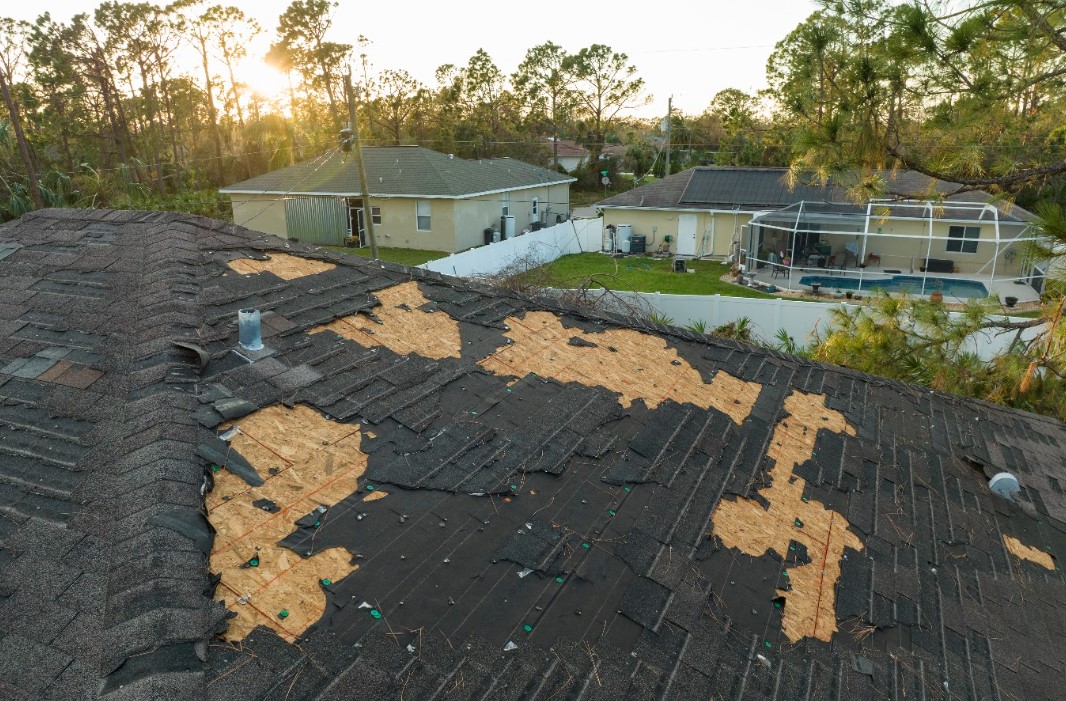
A bad storm moves through Marietta, you find shingles in the yard or notice a new ceiling stain, and suddenly, you’re dealing with roofing and insurance at the same time. Neither subject is especially simple on its own, and trying to sort them out while water may still be entering the house doesn’t make things easier.
In this guide, we’ll cover:
- What to document after a Marietta storm
- When to schedule a professional roof inspection
- How hail and wind insurance claims generally begin
- What to expect from an insurance adjuster
- How roofing estimates and insurance estimates differ
- What a roofing contractor can and can’t do during the claim process
- Common mistakes homeowners can avoid
If you suspect storm damage, Rosie’s Roofing and Restoration can inspect your roof, document the roofing conditions, and explain whether repair or replacement makes sense before you make decisions about the work.
One distinction is worth understanding from the start: your roofer determines what the roof needs. Your insurance company determines what your policy covers.
That alone can save a lot of confusion.
Start With the Roof, Not the Claim
After a major storm, homeowners often feel pressure to decide immediately whether they should file an insurance claim.
A more useful first question is:
What actually happened to the roof?
Marietta and the rest of Cobb County see thunderstorms, wind, hail, falling limbs, and heavy rain. But a leak after a storm doesn’t automatically mean the storm caused everything that’s wrong with the roof.
Sometimes we inspect a roof and find clear signs of recent storm damage. Other times, we find a mix of conditions such as:
- A failed pipe boot
- Old flashing problems
- Loose or poorly installed shingles
- Previous repair work
- Aging materials
- A leak that existed before the storm
- Both old and new roofing issues
The timing can be confusing. A hard rain may expose an existing weakness that hadn’t leaked badly enough for anyone to notice before.
That’s why we start with an inspection rather than assumptions. Once we understand the roof, we can explain what we found and prepare an estimate if work is needed.
What Should You Do Right After a Storm in Marietta?
The first steps after a storm are mostly about safety, documentation, and keeping the damage from getting worse.
Georgia’s Office of Insurance and Fire Safety Commissioner advises consumers to document losses and make temporary repairs when appropriate, while avoiding permanent repairs before the insurance company has had an opportunity to inspect the damage.
Take Photos Before Things Change
If it’s safe, photograph visible damage before debris is moved or permanent repairs begin.
Useful photos may include:
- Shingles or roofing materials on the ground
- Fallen limbs
- Visible exterior damage
- Damaged gutters or downspouts
- Ceiling stains
- Wet drywall
- Water around windows or walls
- Damaged personal property
- Temporary measures taken to prevent additional water entry
You don’t need to climb onto the roof.
In fact, please don’t.
A roof that has just been through wind, hail, or falling debris isn’t the ideal place to begin a new hobby. Photograph what you can safely see from the ground and leave the rooftop inspection to someone with the proper equipment and experience.
Prevent Additional Damage When It’s Safe
If water is entering the house, take reasonable steps to limit additional damage without putting yourself at risk.
That could mean moving belongings away from a leak or placing a container under a drip. Significant roof damage may require temporary weather protection from a professional.
Keep receipts and records for emergency work or materials. Your insurer can explain whether those expenses are covered under your policy.
How Do Hail and Wind Roof Claims Usually Start in Marietta?
If you’re thinking about filing a hail or wind claim for roof damage in Marietta, the process generally begins with your own insurance company.
Your insurer can explain:
- How to report the loss
- What information does it need
- Your deductible
- Whether an adjuster will inspect the property
- What documentation to submit
- What deadlines or policy requirements apply
Policies vary, so avoid relying on a neighbor’s claim experience as a substitute for reviewing your own policy.
Their roof may look like yours.
Their insurance policy may not.
What Information Should You Have Ready?
When reporting storm damage, it helps to have the basic information organized:
- The property address
- Approximate date and time of the storm
- Photos or videos of visible damage
- A description of where you noticed problems
- Any temporary repairs already made
- Receipts for emergency expenses
- Roofing inspection findings, when available
- A contractor estimate, if one has been prepared
Keep a simple record of conversations with your carrier, too. Note the date, who you spoke with, your claim number, and any next steps they gave you.
It doesn’t need to become a second job.
A folder works surprisingly well.
How to Prepare for the Insurance Adjuster
The insurance adjuster has a different job from the roofing contractor.
The adjuster evaluates the loss for the insurance company under the terms of the policy. The roofer evaluates the physical condition of the roofing system and determines what work is needed.
Sometimes those two scopes line up neatly.
Sometimes they don’t.
For Cobb County homeowners preparing for an adjuster visit, a few practical steps can make the process easier.
Have Your Documentation Available
Keep photos, inspection information, receipts, and estimates organized so you can provide them when requested.
Georgia’s OCI also recommends, when possible, determining the cost to repair damaged property before meeting with the claims adjuster.
Ask for an Itemized Explanation
If you receive an insurance estimate or settlement offer you don’t understand, ask questions.
Georgia’s OCI advises policyholders to request an itemized explanation of a settlement offer when needed.
For roofing, that can help you understand whether the scope includes items such as:
- Shingles
- Underlayment
- Starter materials
- Ridge caps
- Flashing
- Ventilation components
- Drip edge
- Tear-off
- Disposal
- Interior repairs related to the covered loss
Not every item will apply to every claim.
The point is to understand what the estimate actually includes.
Don’t Assume the Insurance Estimate Is the Roofing Estimate
An insurer’s estimate reflects its evaluation of covered damage under the policy.
A roofing estimate reflects the work a contractor believes is needed to perform the repair or replacement correctly.
Those documents serve different purposes.
That difference can be especially important on older Marietta homes where existing flashing, roof transitions, ventilation, previous workmanship, or construction details complicate the project.
What Can a Georgia Roofer Help With During an Insurance Claim?
This is an area where homeowners often hear confusing promises.
Rosie’s Roofing and Restoration is a roofing contractor. We’re not your insurance company, public adjuster, or legal representative.
When insurance is involved, our job is still to deal with the roof.
We can:
- Perform a roof inspection
- Photograph roofing conditions
- Identify visible storm-related and existing roofing issues
- Explain whether repair or replacement appears appropriate
- Prepare an estimate for the roofing work we recommend
- Provide documentation about the proposed work
- Complete the roofing work you hired us to perform
We don’t determine insurance coverage, interpret your policy for you, or represent you in negotiations with the carrier.
That line is worth keeping clear.
You want the roofer focused on building the roof correctly.
What If the Roofer Finds Damage That Wasn’t in the Original Insurance Estimate?
This happens.
Sometimes additional roofing conditions aren’t visible until work begins or materials are removed.
That’s where homeowners may hear the term “supplement.”
What Is a Supplement on a Roof Insurance Claim?
A supplement generally refers to additional documentation or an updated scope submitted to the insurer when necessary work or damage is identified that wasn’t included in the original estimate.
For example, a contractor may uncover a necessary roofing component that wasn’t reflected in the initial scope.
The contractor can document what was found and provide updated pricing or supporting information. The insurance company then determines whether that additional work is covered under the policy.
That distinction is important.
A contractor providing documentation for a supplement isn’t the same thing as the contractor deciding what the insurance company must pay.
Storm Damage and Older Roof Problems Can Exist Together
One of the harder parts of storm damage inspections in Marietta is that roofs don’t arrive at a storm in brand-new condition.
A 15-year-old roof may already have wear. An older home may already have questionable flashing. A previous contractor may have repaired a leak poorly.
Then the storm arrives.
Now you may have new storm damage sitting beside an older roofing problem.
That doesn’t automatically make either issue irrelevant. It means they need to be identified separately.
At Rosie’s, we try to show homeowners what we’re seeing rather than lumping every roof defect under the word “storm.”
If a pipe boot has failed from age, we’ll tell you. If we see poor previous workmanship, we’ll tell you. If we see damage consistent with the recent storm, we’ll document that too.
Clear information makes the next decision easier.
Does Homeowners Insurance Cover Every Type of Stormwater Damage?
No.
This is where the source of the water becomes especially important.
The Georgia Office of Insurance and Safety Fire Commissioner states that standard homeowners policies generally cover damage from high winds and tornadoes, but don’t cover flooding. Flood coverage generally requires a separate policy.
So “water came into my house during a storm” isn’t enough information by itself.
There can be a significant difference between rain entering through storm-created roof damage and water rising from outside the home.
Coverage depends on your actual policy and the cause of the loss.
If you’re unsure, ask your insurer directly rather than relying on a roofing contractor to interpret the policy.
Common Mistakes to Avoid After Marietta Storm Damage
Most claim problems aren’t caused by homeowners trying to do anything wrong.
They’re usually caused by moving too quickly while everyone is stressed.
A few things are worth avoiding:
- Making permanent repairs before the damage is documented and inspected
- Throwing away damaged materials or receipts too quickly
- Assuming every roof problem was caused by the storm
- Assuming visible damage is the only damage
- Choosing a contractor solely because the estimate is the lowest
- Signing documents you don’t understand
- Letting a roofer speak as though they control what your insurer will cover
- Assuming your neighbor’s claim outcome predicts yours
Atlanta roofing is competitive, especially after a large storm.
That makes it even more important to choose a company based on the quality of its inspection, explanation, proposed solution, certifications, and workmanship rather than promises about an insurance outcome.
Why Marietta Roofs Require a Careful Inspection
Marietta has a mix of older homes, established neighborhoods, newer subdivisions, mature trees, and roofs in very different stages of their service life.
That can make storm damage less straightforward than a few missing shingles.
We may need to look carefully at:
- Shingle condition
- Flashing
- Pipe boots
- Valleys
- Roof penetrations
- Previous repairs
- Tree impact
- Gutter damage
- Roof transitions
- Existing workmanship issues
The goal is to separate what’s new from what was already happening.
That matters whether you ultimately repair the roof, replace it, or submit documentation to your insurer.
How Rosie’s Helps After a Marietta Storm
Rosie’s Roofing and Restoration has served the Atlanta area since 2011, and our team brings more than 30 years of roofing industry experience.
We’re a GAF Master Elite contractor and hold manufacturer credentials with Owens Corning and CertainTeed.
But after a storm, the part homeowners tend to appreciate most is simpler: we explain what we see.
Our process is:
Contact. Inspection. Recommendation. Installation. Follow-Up.
We start with the inspection. If there’s storm damage, older workmanship, a repairable leak, or a roof that has simply reached the point where roof replacement makes more sense, we’ll explain why.
Then we prepare an estimate for the recommended work.
If insurance is involved, we can provide the relevant roofing documentation and any requested estimates as part of the process. The homeowner and insurance company handle the claim itself.
That keeps everyone in the right lane.
Marietta Storm Claim Questions Worth Asking Before You Move Forward
Storm claims can feel complicated because the roof, the insurance policy, and the repair process are all happening at once. These common questions can help separate the roofing decisions from the insurance decisions before you move forward.
Should I File an Insurance Claim Every Time a Storm Damages My Roof?
You shouldn’t assume you need to file an insurance claim every time a storm passes over your home. Start by determining whether there’s actual roof damage and reviewing your deductible and policy. A professional inspection can help you understand the roof’s condition, while your insurance company can explain your coverage and claim options.
How Do I File a Hail Claim for My Roof in Marietta?
To file a hail claim for your roof in Marietta, contact your insurance company and follow its reporting process. Document visible damage, keep records of the storm and any temporary repairs, and have the roof inspected so you understand what damage may be present.
Should I Have a Roofer Inspect the Roof Before the Insurance Adjuster Comes?
Having a roofer inspect the roof before the insurance adjuster arrives can provide useful information about the condition of the roofing system and any work that may be needed. The roofer’s role is to inspect and estimate the roofing work, while the adjuster evaluates the claim under your insurance policy.
What Should I Ask the Insurance Adjuster About My Roof Claim?
When speaking with the insurance adjuster about your roof claim, ask what damage was included, which roofing components appear in the estimate, how your deductible applies, and whether you can receive an itemized explanation of the settlement.
What Is a Supplement on a Roof Insurance Claim?
A supplement on a roof insurance claim generally refers to additional documentation or an updated estimate for necessary work that wasn’t reflected in the original insurance scope. A roofing contractor may document the additional work, but the insurer determines whether it qualifies for coverage under the policy.
Can Rosie’s Roofing File My Insurance Claim for Me?
No. Rosie’s Roofing and Restoration doesn’t file or represent homeowners in insurance claims. We inspect roofs, document roofing conditions, explain recommended repairs or replacement, provide estimates, and complete the roofing work you hire us to perform.
Does Homeowners Insurance Cover Hail and Wind Damage in Georgia?
Homeowners insurance may cover certain hail or wind damage depending on the policy, cause of loss, deductible, and exclusions. Georgia’s insurance regulator notes that standard homeowners policies generally cover high-wind and tornado damage but exclude flooding, so homeowners should review their individual policies to determine what coverage applies.
What Should I Do if I Disagree With How My Insurance Claim Was Handled?
If you disagree with how your insurance claim was handled, start by asking the insurer for an explanation and attempting to resolve the issue directly. The Georgia Office of Insurance and Safety Fire Commissioner says its Consumer Services Division may assist with eligible complaints after consumers first contact their insurance company about the dispute.
Need a Roof Inspection After a Marietta Storm?
If a recent storm has you wondering what happened to your roof, we can help you get clear on the roofing part.
Rosie’s Roofing and Restoration will inspect the roof, document what we see, explain whether repair or replacement makes sense, and prepare an estimate for the recommended work.
We won’t promise what an insurance company will cover. We will tell you what we believe the roof needs and why.
For most homeowners, that’s a much better place to start.
Call Rosie’s Roofing and Restoration at 678-799-7499 to schedule an inspection.