Answer First
Weather damage is one of the biggest reasons homeowners need roof repair in Dunwoody. Heat, humidity, heavy rain, and seasonal storms slowly wear down shingles, flashing, and sealants until leaks appear. Most problems don’t start with one storm. They build over years and finally show up when the weather pushes the roof past its limit. A proper inspection is the only way to know what actually failed, and that’s where Rosie’s Roofing and Restoration starts every job.
Why Roof Problems Show Up in Dunwoody Homes
Roof damage is one of the most common reasons homeowners end up needing roof repair in Dunwoody. Not because people ignore their roofs, and not because they don’t care about maintenance. Most of the time it happens because Georgia weather puts steady pressure on roofing materials year after year.
We see this during inspections all the time. A homeowner calls after a storm, thinking the storm caused the problem, but when we look closer it usually started long before the storm showed up. Heat, humidity, and small installation mistakes slowly wear things down until one day water finally finds a way in.
In this guide we’ll walk through:
- How weather affects roofs in Dunwoody
- Why certain problems show up more often in this area
- What repairs we see most after storms
- What to know before planning roof repair
- How proper installation and ventilation make roofs last longer
If something here sounds familiar, it may be time for an inspection so you know exactly what you’re dealing with.
Why Roofs in Dunwoody Wear Out the Way They Do
Roofs in this part of Atlanta deal with more than just rain and sun. They deal with time, past repairs, and a climate that exposes small mistakes.
Many homes in Dunwoody have had work done more than once. Additions, reroofs, repairs after storms, or quick fixes done years ago. Every time someone touches the roof, there is a chance a flashing detail was skipped, ventilation wasn’t updated, or shingles weren’t nailed exactly where they should be. Those things don’t always leak right away, but Georgia weather makes sure they show up eventually.
Tree cover is another common factor we see during inspections. Shade keeps roofs cooler, but it also keeps them wet longer after rain. Leaves collect in valleys and gutters. Water backs up under shingles. Fascia boards stay damp. Over time that leads to rot, loose flashing, and slow leaks.
Humidity makes the problem worse. Roofs in Georgia don’t dry out quickly. Sealants break down faster, decking stays damp longer, and older framing is more likely to develop soft spots.
Atlanta is also a very competitive roofing market. Some roofs are installed fast. Some are installed cheap. Some are repaired just enough to stop a leak for now. Those shortcuts may work for a while, but this climate usually finds them.
During an inspection, we’re usually looking at weather, age, and workmanship together, not just one cause.
What To Know Before Planning Roof Repair
Most homeowners ask for an estimate first. That makes sense. You see a stain on the ceiling and want to know what it will cost.
But the first step should always be an inspection.
Until someone gets on the roof and looks at the shingles, flashing, penetrations, decking, and ventilation, any estimate is just a guess. The place where the leak shows up inside is not always where the problem started.
In the Atlanta area, asphalt shingle roof replacement often ranges from about $6,000 to $25,000 depending on size, slope, and materials. Repairs are usually much less, but repeated repairs on an older roof can cost more than replacement over time.
Insurance can make the process more confusing. In Georgia, contractors cannot represent homeowners in a claim. What we can do is perform a detailed inspection, document what we find, and provide an estimate you can submit if needed.
Material matching is another issue people don’t expect. Shingles change over time, and colors get discontinued. Sometimes a repair has to be done in a way that keeps the roof watertight even if the new shingles don’t match perfectly.
The goal is not to make it look new.
The goal is to make it correct.
How Each Season in Georgia Wears a Roof Down
Roof damage here usually builds slowly. Each season does something different.
Summer Heat Dries Shingles Out
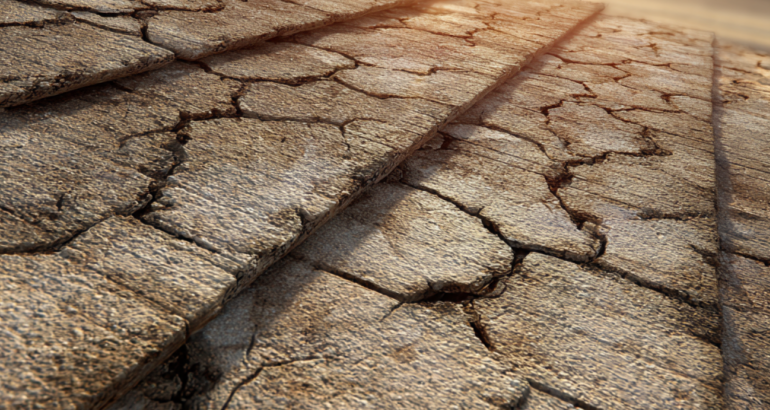
During the summer, roof temperatures can get extremely high. Over time the oils in asphalt shingles dry out, the granules loosen, and the material becomes brittle.
When shingles lose flexibility, they don’t seal the way they should. That’s when we start seeing cracked tabs, lifted edges, and nails backing out.
Many repairs we do in the fall actually started during the hottest part of the year.
Spring Storms Find Weak Spots
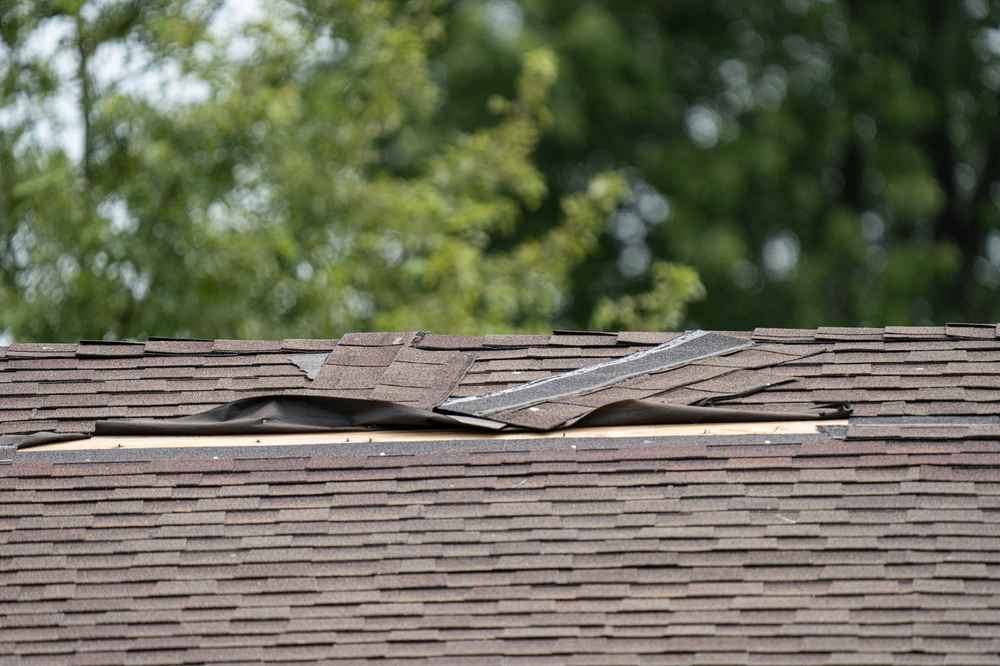
Wind does not always tear shingles off. Sometimes it only loosens the seal strip or lifts flashing slightly. That small change may not leak right away, but it will during the next heavy rain.
After storms, we often find damage that cannot be seen from the ground. The roof looks fine until someone actually walks it.
Fall Debris Causes Drainage Problems
Leaves collect in valleys and gutters every fall. When water cannot drain properly, it backs up under shingles or sits along the fascia.
These are the leaks that show up months later.
Winter Temperature Changes Loosen Details
Georgia winters are mild, but the temperature moves enough to cause expansion and contraction. Sealant cracks, nails loosen, and flashing separates slightly.
Those small gaps often leak during the next storm.
Signs Your Roof Has Weather Damage
Most roof problems start small. During inspections, these are the signs we look for first:
- Missing or curling shingles
- Granules in gutters
- Loose flashing around chimneys or vents
- Dark spots on ceilings
- Soft decking under shingles
- Moisture or mold in the attic
Finding these early usually means the repair is simple.
Poor Installation + Georgia Weather = Early Roof Failure
Weather alone rarely ruins a roof. Most early failures happen when weather meets poor workmanship.
We see the same problems over and over:
- Nails placed too high on shingles
- Flashing sealed instead of layered
- Not enough ventilation
- Wrong materials used for repairs
- Shingles installed over damaged decking
These mistakes may hold for a few years, but Georgia heat and humidity make them fail faster.
That’s why installation details matter more than the brand of shingle.
Why Roofing Systems Matter More Than Individual Materials
People often ask what the best shingle is. The truth is the system matters more than the shingle.
A good roof depends on several parts working together:
- Underlayment
- Flashing
- Ventilation
- Starter shingles
- Correct nail placement
- Manufacturer-approved materials
We install systems from GAF, Owens Corning, and CertainTeed because their warranties require those details to be done correctly. As a GAF Master Elite contractor, we follow those requirements on every job, not just when a warranty is requested.
When the system is installed right, roofs last longer in Georgia weather.
When shortcuts are taken, problems show up early.
What To Do If You Think Weather Damaged Your Roof
If you notice a leak, missing shingles, or stains inside the house, the next step should be an inspection.
Not a guess.
Not a quick patch.
An inspection.
We check:
- Shingles
- Flashing
- Pipe boots
- Decking
- Ventilation
- Gutters
- Previous repairs
Sometimes the fix is small. Sometimes the roof is near the end of its life. The only way to know is to look at the whole system.
That’s usually where we come in.
We inspect the roof, explain what we find, and give you an estimate for the options that make sense.
Common Questions About Weather Damage and Roof Repair in Dunwoody
Georgia weather causes a lot of slow roof damage, so homeowners tend to ask the same questions after storms or when leaks show up. These are the things we explain most often during inspections in the Dunwoody area.