
Answer First
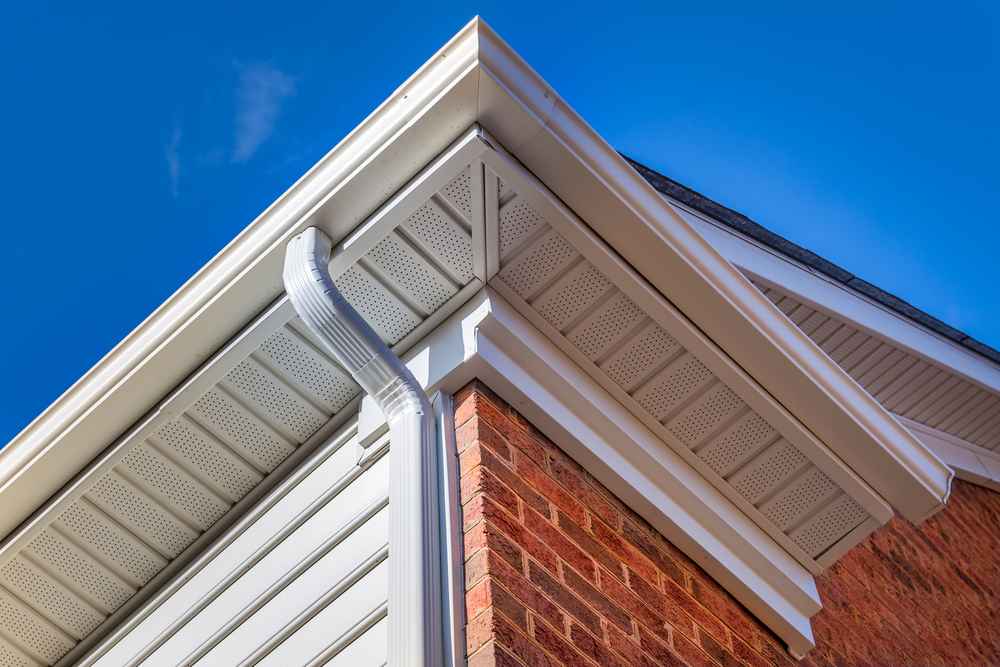
Choosing the best gutters for homes in Grant Park usually comes down to size, durability, and correct installation. Heavy rain, tree cover, and older homes in this area mean gutters need to handle more water than standard systems. A proper gutter installation in Grant Park should focus on drainage capacity and roof edge details, not just appearance, so water moves away from the house the way it should.
Why Gutter Installation in Grant Park Matters More Than Homeowners Expect
Gutter installation in Grant Park comes up more often than people think, especially after heavy rain or when roof repairs start showing up. Older homes, large trees, and sudden storms put a lot of pressure on gutter systems, and when gutters fail, the damage usually shows up somewhere else first.
We see this during inspections all the time. A homeowner calls about a roof leak or wood rot, but the real problem started with gutters that were too small, clogged, or installed without the right slope.
In this guide we’ll cover:
- How to choose the best gutters for homes in Grant Park
- Why this area needs stronger gutter systems
- What to know before installing new gutters
- The most common mistakes we see during inspections
- Which gutter types hold up best in Atlanta weather
- How cost, maintenance, and lifespan affect your decision
If you’re not sure what your home needs, Rosie’s Roofing and Restoration can help.
Why Homes in Grant Park Need Better Gutters Than Most Areas
Grant Park has a mix of older houses, mature trees, and heavy seasonal rain. That combination makes gutter problems show up faster here than in newer neighborhoods.
Many homes were built with smaller gutter systems that worked fine years ago but struggle with today’s rainfall. Add leaf buildup, past repairs, or roof replacements done without updating the gutters, and water starts going where it shouldn’t.
Tree cover is one of the biggest factors. Shade keeps roofs cooler, but it also keeps gutters wet longer. Leaves collect in valleys and downspouts, and water backs up under the shingles or behind the fascia.
Humidity makes the problem worse. Gutters stay wet longer, debris breaks down faster, and wood around the roof edge is more likely to rot.
In Atlanta, gutters are not just an accessory. They are part of the roofing system.
How Gutters Protect More Than Just the Roof
Most people think gutters only protect the roof, but they actually control where thousands of gallons of water go every year.
A properly installed gutter system helps protect:
- Roof edges and shingles
- Fascia and soffit boards
- Siding and trim
- Foundations and crawl spaces
- Landscaping around the house
When gutters overflow or drain in the wrong place, water can run behind the fascia, soak the roof deck, or collect near the foundation. These problems often show up months later, which makes them easy to miss until repairs get expensive.
What To Know Before Planning Gutter Installation
Most homeowners ask for an estimate first, which makes sense. You see water spilling over the edge and want to know what it costs to fix.
But before installing new gutters, a few things need to be checked.
- Condition of the roof edge
- Fascia and soffit damage
- Downspout placement
- Drainage around the house
- Tree coverage and debris
- Size of the existing gutter system
A standard gutter installation often runs around $11 per linear foot in this area, but the final cost depends on size, style, and whether repairs are needed before installation.
If you’re not sure what size or type your home needs, Rosie’s Roofing and Restoration can inspect the roof edge and gutter system before giving an estimate.
The goal is not just to replace gutters. The goal is to make sure water leaves the house the right way.
Signs Your Home Has the Wrong Gutter System
During inspections, these are the signs we see when gutters are undersized or installed incorrectly.
- Water overflowing during storms
- Gutters pulling away from the house
- Rotting fascia boards
- Staining on siding
- Water near the foundation
- Frequent clogging
- Rust or sagging sections
Most of the time the problem is not the gutter material. It’s the size, slope, or the way the system was installed.
Most of the gutter problems we see during inspections aren’t because someone chose the wrong gutter. They happen because the details were rushed, the system was undersized, or the roof edge wasn’t checked before the gutters went on.
How To Choose the Best Gutters for Homes in Grant Park
Seamless vs Sectional Gutters
Seamless gutters usually hold up better because there are fewer joints to leak. Sectional gutters cost less at first, but seams are where most failures start.
K-Style vs Half-Round
K-style gutters hold more water and are the most common choice.
Half-round gutters are often used on older homes because they match the style better, but they may need larger sizes to handle the same amount of water.
Why 6-Inch Gutters Are Often Better
Many homes have 5-inch gutters that are too small for the roof size.
6-inch gutters handle heavy rain better and reduce overflow during storms, especially on steep roofs or homes with large valleys.
Are Gutter Guards Worth It
Gutter guards help when trees are close to the house, but they don’t eliminate maintenance. They work best when the gutter system is sized correctly first.
Aluminum vs Steel vs Copper Gutters
Material matters, but installation usually matters more. Each gutter type has advantages, but the right choice depends on the house, the roof size, and how much water the system needs to handle.
| Material | Pros | Cons | When It Makes Sense |
| Aluminum | Most common choice, rust resistant, works well for seamless gutters, affordable | Can dent easier than steel, not as strong for heavy debris areas | Best for most homes, especially when properly sized and installed |
| Steel | Stronger than aluminum, handles heavy debris better, good for larger roofs | Can rust over time, heavier, usually higher cost | Good for homes with heavy tree cover or larger roof areas |
| Copper | Very long lasting, often used on older or historic homes, distinctive look | More expensive, requires specialized installation, not needed for most homes | Used on older homes or when matching existing copper or historic details |
Most homes we work on use aluminum seamless gutters, but older homes sometimes have copper or custom systems that need to be repaired or replaced carefully to match the structure.
How Much Different Gutters Cost in This Area
Cost depends on size, material, and difficulty of installation.
Typical ranges:
- Standard aluminum seamless — most common
- Larger 6-inch systems — higher cost but better capacity
- Copper systems — higher cost, usually on older homes
- Gutter guards — additional cost but less cleaning
The cheapest system usually isn’t the best choice if the roof has steep slopes or heavy tree cover.
How Much Maintenance Different Gutters Need
All gutters need some maintenance, but some need less.
- Homes with trees need cleaning more often
- Larger gutters clog less
- Guards reduce debris but don’t stop it
- Poor slope causes standing water
- Loose hangers lead to sagging
The goal is not maintenance-free. The goal is fewer problems over time.
Choosing Gutters for Older Homes in Grant Park
Older homes often need more careful planning.
We often see:
- Fascia damage
- Box gutters
- Steep roof slopes
- Custom trim details
- Past repairs done incorrectly
New gutters have to match the structure, not just the roof.
What Are Box Gutters
Some older homes have built-in box gutters instead of the standard gutters you see attached along the roof edge. Box gutters are part of the roof structure itself, which means water drains through a channel built into the roof rather than through a separate gutter system.
Because they are built into the house, box gutters take more care to repair or replace. If they are patched the wrong way, water can leak behind the fascia, into the walls, or under the roof decking without showing obvious signs right away.
During an inspection, we look closely at the condition of the box gutter, the surrounding wood, and the drainage path to decide whether the system should be repaired, relined, or replaced with a different design that handles water more reliably.
Downspouts and Drainage Matter More Than Most People Think
Gutters only work if the water has somewhere to go.
Common problems:
- Too few downspouts
- Wrong placement
- Water draining near foundation
- Extensions missing
- Underground drains clogged
A good gutter installation plans the whole drainage path.
Should Gutters Be Replaced When the Roof Is Replaced
Often, yes.
When a roof is replaced, the roof edge, flashing, and fascia are exposed, which makes it easier to install new gutters correctly. This is the best time to make sure the slope is right, the fascia is solid, and the drainage system matches the size of the roof.
Waiting to replace gutters later can mean removing parts of the new roof edge or working around details that were just installed. In many cases, replacing the gutters at the same time avoids extra labor and helps the whole system work together the way it should.
Common Installation Mistakes We See During Inspections
Most gutter problems we find during inspections come from shortcuts. The system may look fine from the ground, but small details missed during installation can cause leaks, overflow, or wood rot over time.
Gutters Installed Flat
Gutters need a slight slope so water can move toward the downspouts. When they are installed flat, water sits in the gutter instead of draining, which leads to rust, sagging, and overflow during heavy rain. This is one of the most common problems we see on older gutter systems.
Wrong Size Gutters
If the gutter is too small for the roof, it cannot handle the amount of water coming off during storms. This happens often on older homes where smaller gutters were installed on roofs that really need a larger system, especially with the amount of rain we get in the Atlanta area.
Too Few Hangers
Hangers hold the gutter against the fascia. When there are not enough of them, the gutter can pull away from the house, especially when it fills with water or debris. Over time this causes sagging, poor drainage, and water running behind the gutter.
Rotten Fascia Not Replaced
Gutters are only as strong as the wood they are attached to. If the fascia board is already soft or damaged and new gutters are installed over it, the fasteners will not hold properly and the gutter will loosen quickly. During inspections, we often find rot that was covered instead of repaired.
No Drip Edge Installed
A drip edge helps direct water from the roof into the gutter. Without it, water can run behind the gutter and soak the fascia or roof decking, even if the gutter itself was installed correctly. This can lead to hidden wood damage that shows up later.
Downspouts in the Wrong Location
Downspouts need to be placed where water naturally collects along the roofline. If they are too far apart or installed in the wrong spots, the gutter fills faster than it can drain, which leads to overflow during heavy rain.
These mistakes may not cause problems right away, but with the amount of rain and humidity we get in Georgia, small installation issues usually show up sooner or later.
Deep Dive: Why Capacity and Installation Matter More Than Brand
People ask what the best gutter is, but the real question is how much water the system needs to handle.
Things that affect sizing:
- Roof pitch
- Valley size
- Tree coverage
- Rainfall volume
- Length of roof runs
- Age of home
A small gutter installed perfectly can still overflow. A large gutter installed wrong can still leak.
At Rosie’s Roofing and Restoration, gutter installation usually starts with an inspection because the roof edge, flashing, and drainage all work together. We’ve been working on roofs and gutter systems in the Atlanta area since 2011, and as a GAF Master Elite contractor we’re used to looking at the whole system, not just one part of it.
Example: Grant Park Home With Overflowing Gutters
We inspected a home where the gutters overflowed during almost every storm. The gutters were still in decent shape, but they were too small for the roof and only had two downspouts.
We replaced the system with larger seamless gutters and added downspouts in the right locations. Once the water had somewhere to go, the overflow stopped without needing roof repairs.
Most problems we see are like that. Not one big failure. Just details that didn’t match the house.
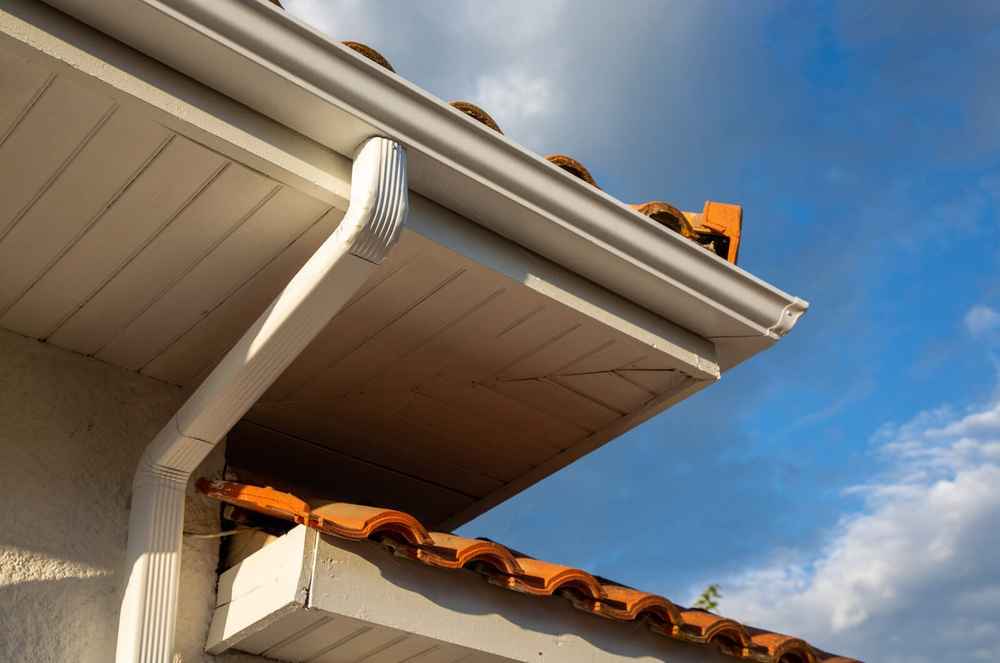
Grant Park Gutter Installation FAQs Homeowners Ask Before Replacing Gutters
Choosing the right gutter system usually brings up a lot of the same questions, especially on older homes in Grant Park where drainage problems are common. These are the things we explain most often during inspections before giving an estimate for gutter installation.